
BEHAVIOR CHANGE STUDIO

What Kids Connect With Changes What They Do

Kids decide what to do fast.

Usually much faster than adults realize.

A child walks into a cafeteria and decides where the bottle goes.

A student decides whether to join in or shut down.

A kid decides whether to keep trying… or stop before they begin.

Most of those decisions happen in seconds.

And in those moments, kids rarely rely on information alone.

They rely on what stayed with them.

Something that didn’t just reach them—but stayed with them long enough to shape what they did next.

That’s the part many well-intentioned efforts miss.

Information matters.

But connection is what gives information the power to move into action.

Because kids act on what feels meaningful to them.

That idea has shaped nearly everything I’ve created for kids over the last three decades.

What actually changed behavior

Over time, I noticed something important:

The projects that changed behavior most effectively weren’t always the ones delivering the most information.

They were the ones kids genuinely connected with…

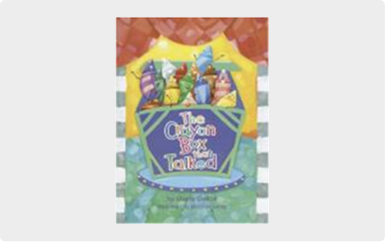
The Crayon Box That Talked:

A simple poem about appreciating one another became a million+ copies sold bestselling children’s book because kids, parents, and teachers emotionally connected with its message.

Big Green Rabbit:

Through animation, music, and dance, our Emmy. Awardwinning PBS preschool series made movement fun instead of something kids were simply being told to do.
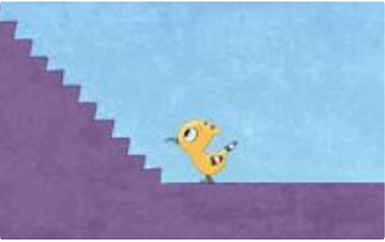
One Thousand Steps—Starts With One:

An animated music video with 250M+ views because it connected with a feeling almost everyone recognizes:

Starting is hard.

Especially for kids.

None of these projects began with a goal to simply deliver more information

They began with something simpler:

Create something kids would genuinely connect with.

Because when connection happens, behavior often follows naturally.

The Small Things Shape Behavior

The moments that shape behavior are often small. Small enough to miss.

Most of those moments don’t seem important at all.
But over time,
they shape lives.

Because what kids connect with changes what they do.